

Car rental process explained in clear steps for travelers. Discover how to reserve, pick up, inspect, and return your rental car for a hassle-free vacation.
Sorting through paperwork at the rental desk in Javea can quickly turn a relaxing holiday into a stressful situation if you arrive unprepared. Travelers want their vacation in Alicante to start without delays, yet missing documents or misunderstood rules can slow everything down. This clear overview highlights the key documents and steps you need for a trouble-free rental car pickup so you can focus on enjoying the sights and beaches from day one.
Table of Contents
- Step 1: Prepare Required Documents And Payment
- Step 2: Reserve Your Rental Car Online Or In Person
- Step 3: Pick Up The Car And Review Rental Terms
- Step 4: Inspect The Vehicle And Confirm Condition
- Step 5: Return The Car And Finalize Your Rental
Quick Summary
| Key Point | Explanation |
|---|---|
| 1. Prepare Required Documents | Have a valid passport, driver’s license, and credit card ready to ensure smooth rental. |
| 2. Choose Reservation Method | Decide between online, in-person, or hybrid booking to suit your preferences and needs. |
| 3. Conduct Vehicle Inspection | Inspect the vehicle for damages before driving off to avoid charges later. |
| 4. Return Car Timely and Prepared | Return the car on time, with full fuel and necessary documents to prevent extra charges. |
| 5. Document Vehicle Condition | Take photos or videos of the car’s condition at pickup and return to protect yourself from disputes. |
Step 1: Prepare Required Documents and Payment
Renting a car involves gathering several essential documents and payment details that will ensure a smooth pickup process. You’ll need to have specific items ready to confirm your rental and secure the vehicle.
To successfully rent a car, you must have the following key documents prepared:
- A valid passport matching your driver’s license nationality
- A driver’s license issued for at least 2 years
- A credit card in your name with sufficient funds for the security deposit
Specifically, rental car documentation requirements indicate that international travelers might also need an International Driving Permit depending on their country of origin. Most rental companies have strict rules about acceptable payment methods and driver qualifications.
Pro tip: Always verify specific document requirements with your rental company at least one week before your travel date to avoid potential complications.
For payment, you’ll need a standard credit card – not a prepaid or virtual card. The card must have enough available credit to cover the security deposit, which can range from 200 to 500 euros depending on the vehicle type. Younger drivers under 25 might face additional fees or restrictions.
Pro tip: Scan and email copies of your documents to yourself before traveling as a backup in case of loss or theft.
Step 2: Reserve Your Rental Car Online or In Person
Reserving your rental car can be done through multiple convenient channels, giving you flexibility to choose the method that best suits your travel plans. Whether you prefer the convenience of online booking or the personal touch of in-person reservation, you have several options to secure your vehicle.
For online reservations, most rental companies offer booking process platforms that allow you to complete the entire transaction from your computer or smartphone. The typical online reservation process involves:
- Select your pickup location
- Choose your rental dates
- Pick the vehicle type
- Enter personal and payment details
- Confirm and receive booking confirmation
If you prefer a more personalized approach, in-person reservations at rental locations provide direct interaction with staff who can help you select the perfect vehicle. Walk-in reservations offer advantages like immediate vehicle inspection, personalized recommendations, and the ability to ask detailed questions about your rental.
Booking in advance typically provides better rates and ensures vehicle availability, especially during peak travel seasons.
Whether online or in-person, you’ll need to have your driver’s license, credit card, and personal identification ready. Some rental companies offer hybrid booking methods, allowing you to start the reservation online and complete final details in person.
Pro tip: Compare prices and availability across multiple booking platforms and rental locations to secure the best possible deal for your specific travel needs.
Here’s a quick comparison of online and in-person car rental reservations:
| Reservation Method | Key Advantages | Considerations |
|---|---|---|
| Online | 24/7 access, wide vehicle choice | Requires internet; no direct agent advice |
| In Person | Personalized assistance, immediate inspection | Limited by office hours; less advance choice |
| Hybrid (Online + In Person) | Start online, finalize with agent | Best for flexibility and complex bookings |
Step 3: Pick Up the Car and Review Rental Terms
The car pickup process is your final step in securing transportation for your trip, requiring careful attention to detail and thorough documentation review. When you arrive at the rental location, you’ll transition from reservation to actual vehicle possession through a systematic process of verification and agreement.
At pickup, you’ll need to review rental car pickup procedures by presenting critical documents and conducting a comprehensive vehicle inspection. Your essential documents include:
- Your valid driver’s license
- Passport or government ID
- Credit card for security deposit
- Reservation confirmation
During the pickup process, you’ll want to carefully inspect the vehicle alongside the rental agent. Look for and document any existing damage, no matter how minor. Check for:
- Exterior scratches or dents
- Interior wear and tear
- Tire condition
- Fuel level
- Mileage reading
Documenting vehicle condition protects you from potential additional charges at return.
Carefully read through the rental agreement to understand critical details like mileage limits, fuel policies, insurance coverage, and potential additional fees. Ask the agent to clarify any unclear terms before signing.
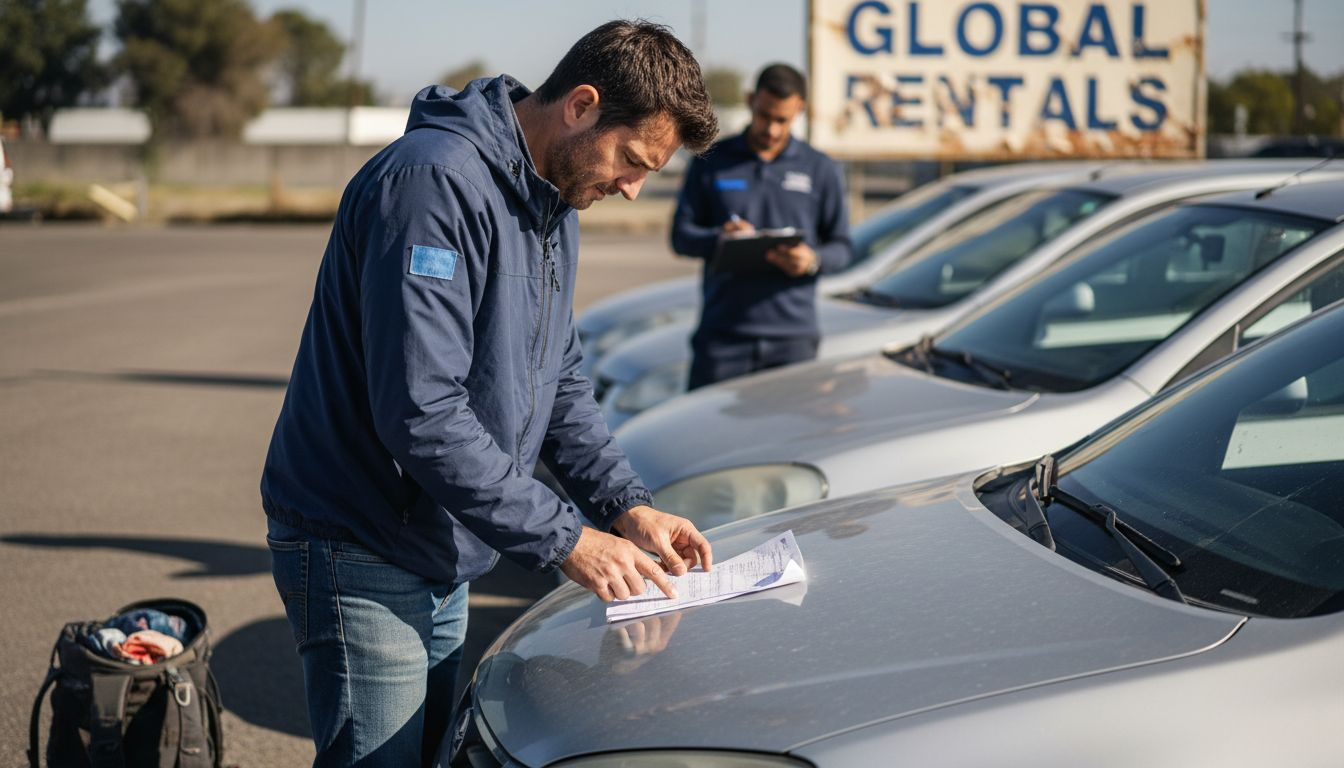
Pro tip: Take clear, dated photos of the vehicle’s condition from multiple angles before leaving the rental lot to create a personal record of the car’s initial state.
Step 4: Inspect the Vehicle and Confirm Condition
Preparing for a comprehensive vehicle inspection is crucial to protecting yourself from unexpected charges and ensuring a smooth rental experience. Your thorough examination will serve as a critical documentation process that safeguards your interests before driving off the rental lot.
Utilize a comprehensive car rental inspection checklist to systematically evaluate the vehicle’s condition. Your detailed inspection should cover multiple critical areas:
- Exterior damage including scratches, dents, and paint imperfections
- Interior wear and tear
- Functional equipment like lights, signals, and air conditioning
- Tire condition and tread depth
- Fluid levels and overall mechanical appearance
When inspecting the vehicle, follow these systematic steps:
- Walk around the entire vehicle in good lighting
- Document each found issue with time-stamped photos
- Note damages on the official rental inspection form
- Have the rental agent initial and confirm each noted issue
- Verify the current mileage reading
A meticulous inspection protects you from potential false damage claims upon vehicle return.
Pay special attention to less obvious areas like windshield quality, mirror conditions, and dashboard warning lights. Don’t rush through this process – take your time and be thorough in documenting every potential issue.
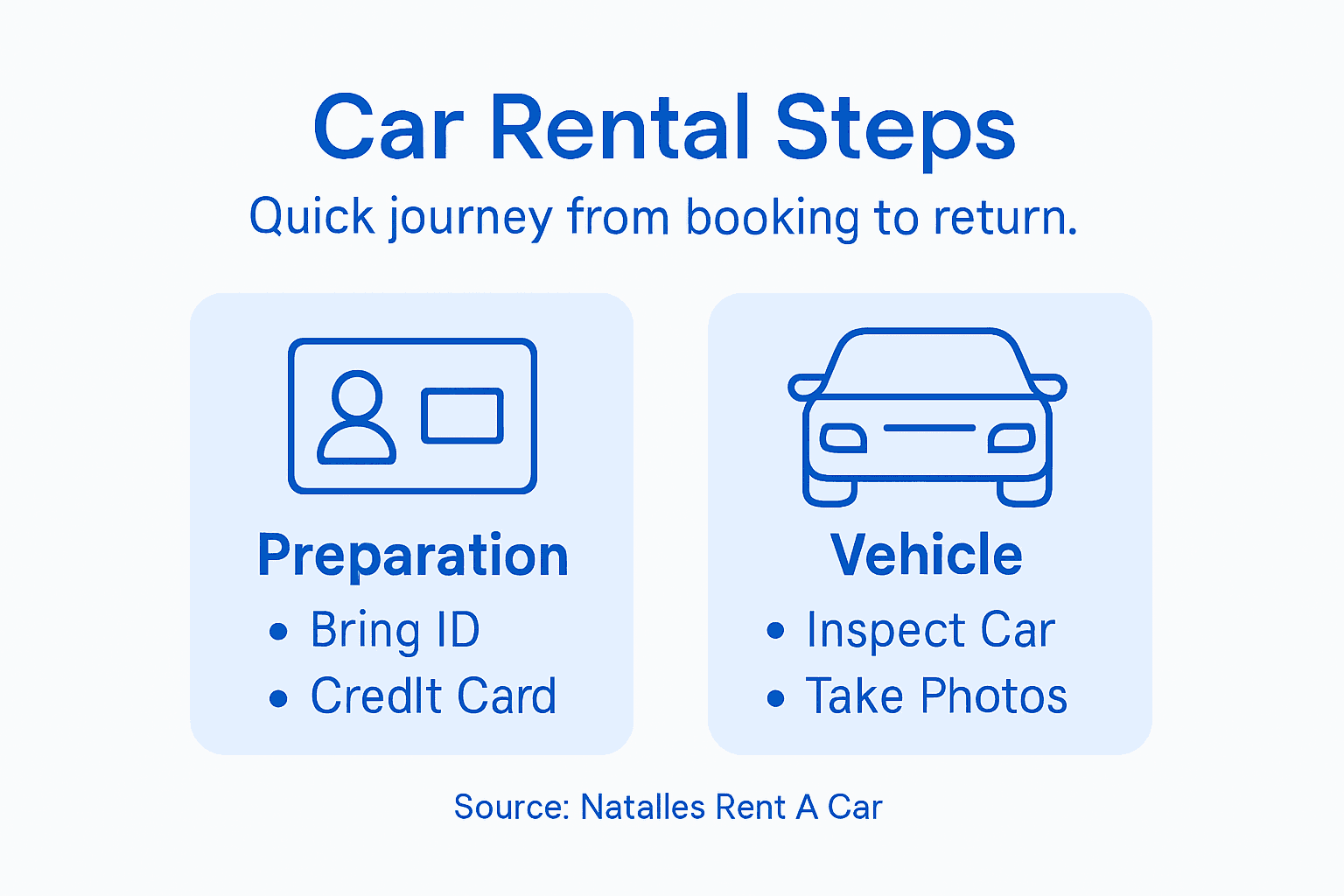
Pro tip: Record a brief video walkthrough of the vehicle’s condition in addition to photos, capturing timestamps and comprehensive views from multiple angles.
Step 5: Return the Car and Finalize Your Rental
The final stage of your car rental journey involves returning the vehicle and completing the necessary administrative procedures. Understanding the return process can help you avoid unexpected fees and ensure a smooth transaction.
Follow the rental car return guidelines carefully to minimize potential complications. Your return process should include several critical steps:
- Check your rental agreement for specific return location
- Verify the exact return time
- Plan extra time for refueling
- Clean the vehicle interior and exterior
- Prepare necessary documentation
When preparing to return your rental car, follow these systematic steps:
- Fill the fuel tank to the agreed level
- Remove all personal belongings
- Conduct a final vehicle inspection
- Gather all required documents
- Arrive at the return location on time
Timely and thorough vehicle returns can prevent unnecessary additional charges and streamline your rental experience.
Be prepared to discuss any potential damages or issues with the rental agent. Bring your initial inspection photos and documentation to support your case if needed. Some rental companies have after-hours return procedures, so confirm these details in advance.
Pro tip: Request a final inspection receipt immediately after returning the vehicle to document its condition and protect yourself from potential future disputes.
This summary highlights common rental car return mistakes and how to avoid them:
| Common Mistake | Potential Impact | Prevention Tip |
|---|---|---|
| Returning car late | Extra hourly/day charges | Allow extra time for traffic or delays |
| Not refueling to required level | Fees for missing fuel | Refuel just before returning car |
| Forgetting documentation | Delays and disputes | Keep all paperwork on hand |
| Overlooking minor damages | Unexpected repair charges | Use return-day photos as evidence |
Simplify Your Car Rental Journey With Natalies Rent A Car
Navigating the detailed steps of the car rental process can feel overwhelming from preparing documents to inspecting the vehicle. This article highlights key challenges travelers face like understanding rental agreements, managing inspections, and ensuring smooth vehicle pickup and return. At Natalies Rent A Car, a family owned company in Javea Alicante Spain, we understand these pain points deeply and provide personalized support to make your rental experience stress free and clear.
Offers – Natalies regularly presents exclusive deals to help you save while getting the best vehicle suited for your trip. Whether you prefer booking online or speaking to our friendly staff in person the easy steps outlined here are fully supported by our dedicated service.
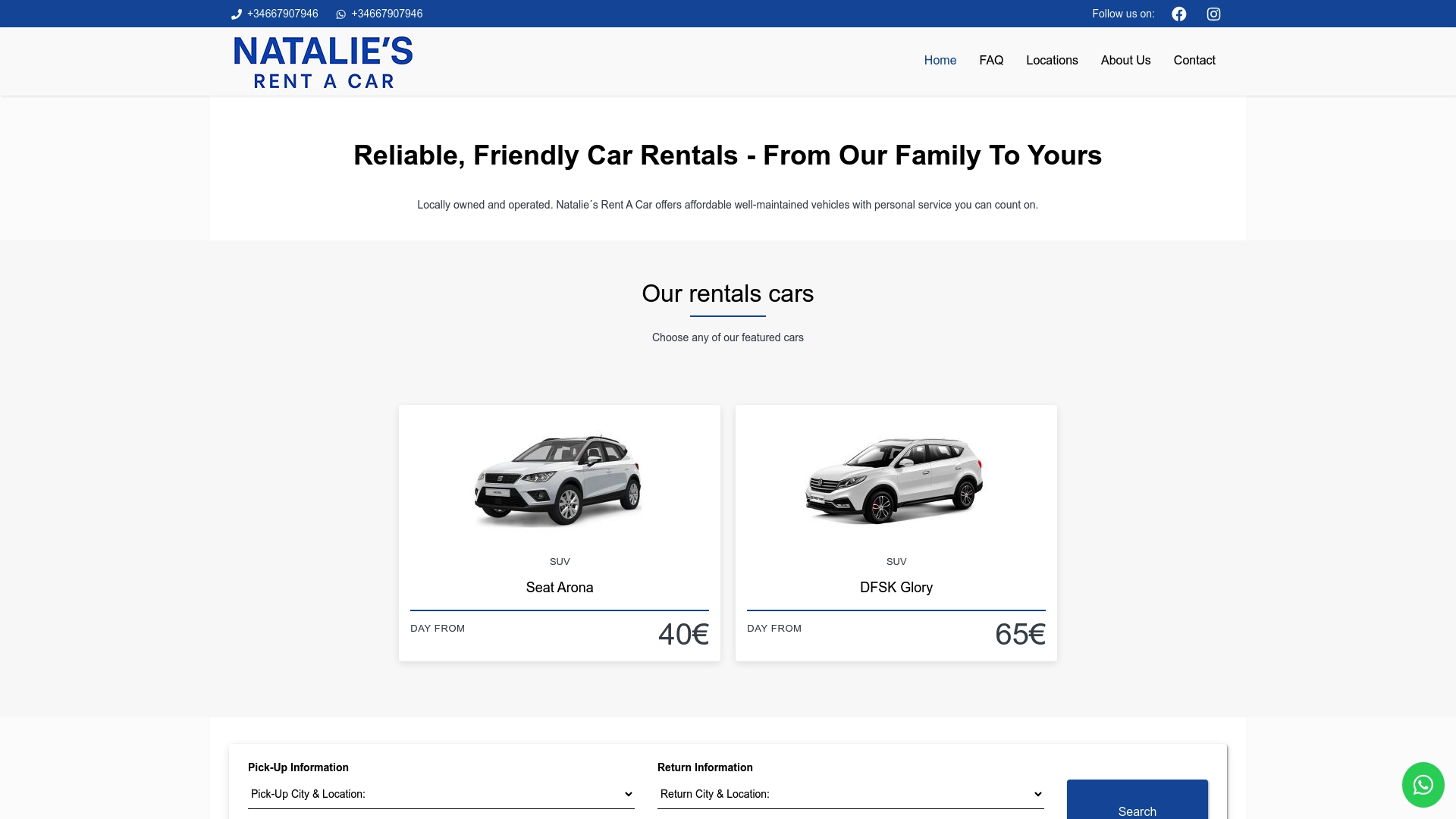
Ready to skip confusion and rent confidently with local experts? Visit Natalies Rent A Car to explore available cars and secure your next rental. Get ahead with clear guidance and great offers today for a worry free travel experience.
Frequently Asked Questions
What documents do I need to rent a car?
To rent a car, you need a valid passport, a driver’s license issued for at least 2 years, and a credit card in your name for the security deposit. Prepare these documents ahead of time to ensure a smooth pickup process.
How do I reserve a rental car online?
You can reserve a rental car online by selecting your pickup location, rental dates, vehicle type, and entering your personal and payment details. Complete your reservation online to save time and secure the best rates before your trip.
What should I inspect when picking up a rental car?
When picking up a rental car, inspect the vehicle for any existing damage, check the fuel level, and verify the mileage reading. Document any issues with photos and note them on the rental inspection form to protect yourself from additional charges later.
How do I return the rental car?
To return the rental car, ensure you fill the fuel tank to the agreed level, clean the car’s interior and exterior, and gather all necessary documents. Arrive at the return location on time to avoid extra charges and ensure a smooth return process.
What if I find damages when inspecting the rental car?
If you find damages while inspecting the rental car, document them with time-stamped photos and report them to the rental agent. Having a clear record will help protect you from being charged for damages that were already present when you picked up the vehicle.