

Car rental etiquette for tourists in Javea, Alicante. Learn proper reservation conduct, pickup and return processes, and local driving responsibilities.
Every traveler hopes their time in Javea is stress-free, but even a simple car rental can become complicated without clear etiquette. Understanding the unwritten rules of car rental etiquette can protect you from surprises and keep your trip running smoothly, especially when working with a trusted, family-owned company. This quick guide shows you how a few careful steps make the difference between a smooth pickup and unexpected headaches.
Table of Contents
- Defining Car Rental Etiquette For Travelers
- Types Of Car Rental Scenarios In Spain
- Essential Dos And Don’ts At Pickup And Return
- Your Responsibilities As A Renter Abroad
- Common Mistakes Tourists Should Avoid
Key Takeaways
| Point | Details |
|---|---|
| Understanding Rental Etiquette | Familiarize yourself with key practices, such as inspecting the vehicle and understanding the rental agreement, to ensure a smooth experience. |
| Vehicle Condition and Communication | Treat the rental car with care and maintain clear communication with rental staff to avoid any potential misunderstandings. |
| Navigating Local Regulations | Research local traffic laws and rental company policies to prevent conflicts and ensure compliance during your travels. |
| Avoid Common Mistakes | Thoroughly review rental agreements and take time to document vehicle conditions to prevent unexpected charges. |
Defining Car Rental Etiquette for Travelers
Car rental etiquette represents a critical set of unwritten guidelines that transform an ordinary vehicle rental experience into a smooth, professional interaction. These standards go beyond simple transactional exchanges, encompassing respect, communication, and responsible behavior throughout the rental process.
At its core, car rental etiquette involves understanding and adhering to a set of expectations that benefit both travelers and rental companies. Proper rental practices include several key considerations:
- Carefully reading and understanding rental agreements
- Thoroughly inspecting the vehicle before and after use
- Maintaining the vehicle’s condition during the rental period
- Returning the car on time and in the same state as received
- Being transparent about any damages or issues
- Communicating clearly with rental staff
There are fundamental principles that travelers should embrace to ensure a positive rental experience. Treating the rental vehicle with the same level of care and respect as a personal vehicle is paramount. This means avoiding unnecessary wear and tear, keeping the interior clean, and being mindful of the vehicle’s overall condition.
Moreover, understanding local traffic laws and rental company policies can significantly reduce potential conflicts. Different regions may have specific regulations or expectations that travelers should familiarize themselves with beforehand. Insurance coverage and fuel policies are particularly important areas that demand careful attention.
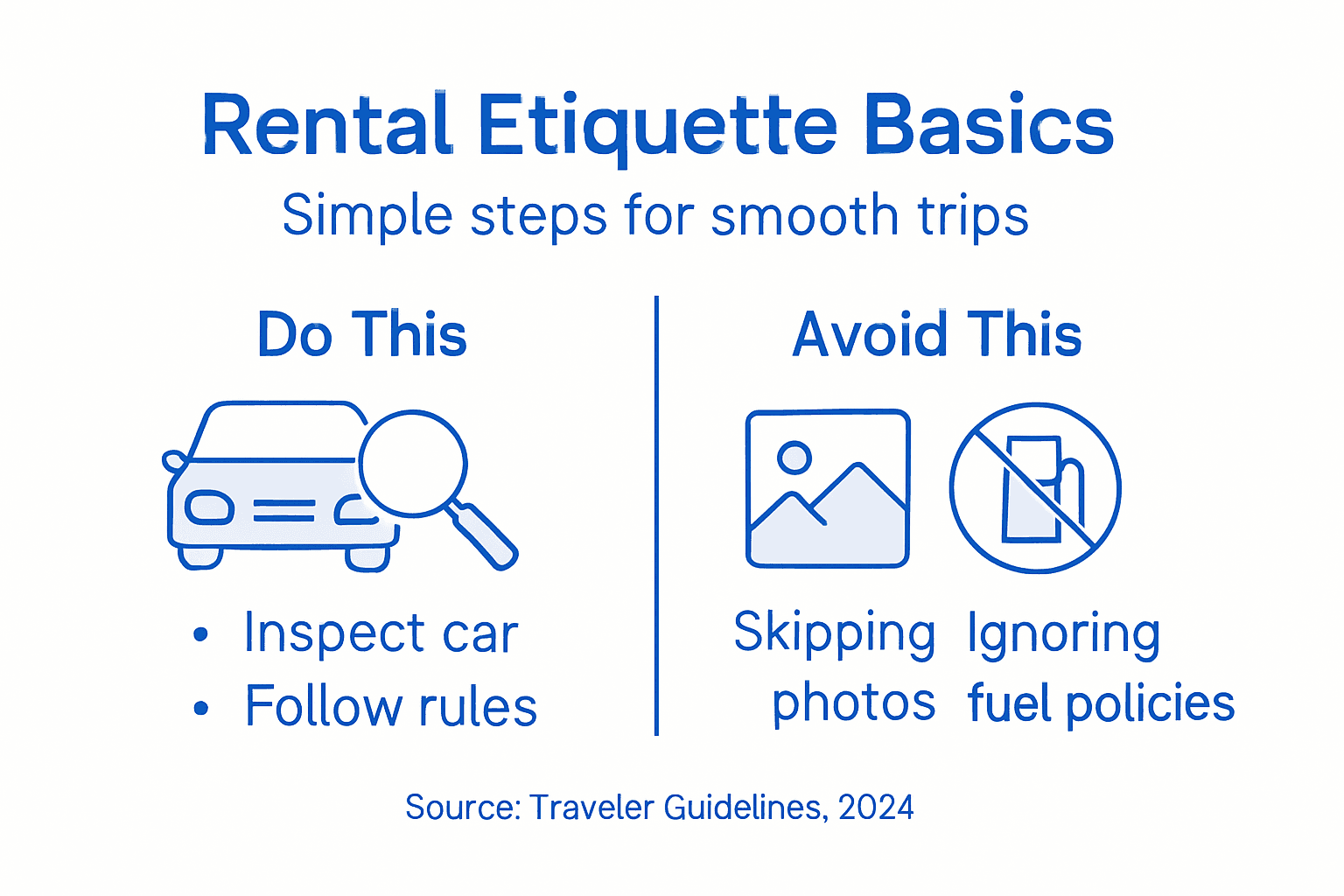
Pro tip: Take clear, time-stamped photos of the vehicle’s condition during pickup and return to protect yourself from potential disputes about damages.
Types of Car Rental Scenarios in Spain
Spain’s car rental landscape offers travelers a diverse range of options tailored to different travel needs and preferences. Car rental markets in Spain present multiple scenarios that cater to various traveler requirements, from short urban trips to extended countryside explorations.
Travelers can typically encounter several distinct rental scenarios:
- City Rentals: Short-term vehicle rentals for urban exploration
- Rural Exploration: Extended rentals for discovering Spanish countryside regions
- Airport Pickups: Convenient rentals directly from international airports
- Long-Term Stays: Monthly rentals for extended vacation or business trips
- Tourist Seasonal Rentals: Peak season vehicles for holiday travelers
Each rental scenario comes with unique considerations. Airport rentals, for instance, often involve international travelers navigating unfamiliar booking processes and potentially complex insurance requirements. Urban rentals might focus on compact cars suitable for narrow European streets, while rural exploration demands more robust vehicles capable of handling varied terrain.
Understanding the nuances of regional driving conditions is crucial. Different Spanish regions present distinct driving challenges, from mountainous Andalusian roads to coastal highways in Valencia. Travelers should research specific local driving regulations, parking restrictions, and potential additional insurance needs specific to their destination.
Here is a summary of factors to compare when choosing a car rental scenario in Spain:
| Scenario Type | Best For | Common Considerations | Typical Vehicle Choices |
|---|---|---|---|
| City Rental | Urban sightseeing trips | Parking, traffic restrictions | Compact or economy cars |
| Rural Exploration | Scenic countryside drives | Unpaved roads, limited fuel | SUVs or robust vehicles |
| Airport Pickup | Immediate arrival mobility | International documentation | Wide variety, often automatic |
| Long-Term Stay | Extended visits/business | Lower monthly rates, deposits | Any class, negotiable terms |
| Seasonal Tourist Use | Holidaymakers, peak season | Early booking, price surges | Mid-size, family-friendly |
Pro tip: Always verify your rental company’s specific policies and take detailed photos of the vehicle’s condition before and after your rental to protect yourself from potential disputes.
Essential Dos and Don’ts at Pickup and Return
Navigating the car rental process requires careful attention to detail, especially during pickup and return moments. Rental car etiquette involves a series of critical steps that can significantly impact your overall experience and potential additional charges.
At pickup, travelers should follow these essential dos:
- Inspect Vehicle Thoroughly: Check for existing damages
- Document Everything: Take time-stamped photos of vehicle condition
- Review Rental Agreement: Understand all terms and conditions
- Verify Insurance Coverage: Confirm exact protection levels
- Ask Questions: Clarify any uncertainties with rental staff
Equally important are the critical don’ts during the rental period. Avoid rushing through the initial inspection, which could leave you liable for pre-existing damages. Rental companies are meticulous about vehicle condition, and any overlooked scratches or dents could result in unexpected charges.
When returning the vehicle, attention to detail becomes paramount. Most rental agreements require the car to be returned in the same condition as pickup, with a full fuel tank and free of personal items. Failing to meet these requirements can trigger additional fees or penalties. Communicate proactively with the rental company if you anticipate any delays or potential issues during the return process.

Below is a quick reference on pickup and return responsibilities for renters:
| Step | What to Double-Check | Why It Matters |
|---|---|---|
| Vehicle Inspection | Scratches, tire condition | Avoids unfair damage claims |
| Insurance Details | Coverage limits, deductibles | Prevents surprise expenses |
| Fuel Requirement | Full tank or as received | Helps avoid refueling fees |
| Personal Belongings | Remove all before return | Prevents loss and extra cleaning |
| Return Documentation | Get signed confirmation | Provides dispute evidence |
Pro tip: Create a digital folder on your smartphone to store all rental documentation, vehicle inspection photos, and communication records for easy reference and potential dispute resolution.
Your Responsibilities as a Renter Abroad
Renting a vehicle in a foreign country requires careful preparation and understanding of your legal and practical responsibilities. Renting cars abroad involves navigating complex requirements that extend far beyond simply selecting a vehicle.
Critical documentation responsibilities include:
- Carry a valid International Driving Permit (IDP)
- Have a current driver’s license from your home country
- Maintain a valid passport
- Secure comprehensive travel insurance
- Understand local traffic regulations
- Verify rental company’s specific documentation requirements
Understanding insurance coverage is paramount when renting abroad. Many travelers mistakenly assume their personal auto insurance or credit card benefits will automatically cover international rentals. In reality, coverage can vary significantly between providers and countries, potentially leaving you financially vulnerable in case of accidents or damages.
Beyond documentation, renters must comply with local driving regulations, which can differ dramatically from familiar home country standards. This includes understanding local traffic signs, speed limits, parking restrictions, and unique driving customs. Ignorance of these rules is not an acceptable defense and can result in substantial fines or legal complications.
Pro tip: Create a digital folder with scanned copies of all rental documents, insurance information, and driving permits, and store both on your phone and in cloud storage for quick access during emergencies.
Common Mistakes Tourists Should Avoid
Tourists frequently encounter costly pitfalls when renting vehicles abroad, often resulting from uninformed decisions and overlooked details. Common rental car mistakes can transform a potentially smooth travel experience into a frustrating and expensive ordeal.
The most frequent errors travelers make include:
- Skipping thorough rental agreement review
- Ignoring mileage restrictions
- Failing to document vehicle condition before rental
- Overlooking additional administrative fees
- Purchasing unnecessary supplemental insurance
- Last-minute booking without comparison
Financial risks are particularly significant when travelers make uninformed choices. Unexpected charges can quickly accumulate through seemingly minor oversights like not refueling the vehicle exactly as specified in the rental agreement or exceeding predetermined mileage limits. Many rental companies have strict policies that can result in substantial penalty fees for minor infractions.
Communication and preparation are key to avoiding these common mistakes. Travelers should meticulously read rental agreements, understand all potential fees, verify insurance coverage, and ask detailed questions before signing any contracts. Taking time to research and understand the rental terms can save significant money and prevent unexpected complications during what should be an enjoyable travel experience.
Pro tip: Create a digital checklist with all potential rental fees and requirements before your trip, and review it carefully with the rental agent during pickup to ensure complete understanding.
Enjoy Smooth and Stress-Free Car Rentals with Natalies Renta Car
Navigating the complexities of car rental etiquette can be overwhelming, especially when traveling abroad. From understanding insurance coverage to inspecting your vehicle thoroughly, many travelers face challenges that can turn a trip sour. If you want to avoid confusing paperwork and costly surprises, a family owned rent a car company in Javea Alicante Spain like Natalies Renta Car is your perfect solution. We prioritize clear communication, honest pricing, and reliable vehicles that respect the rental guidelines every driver deserves.
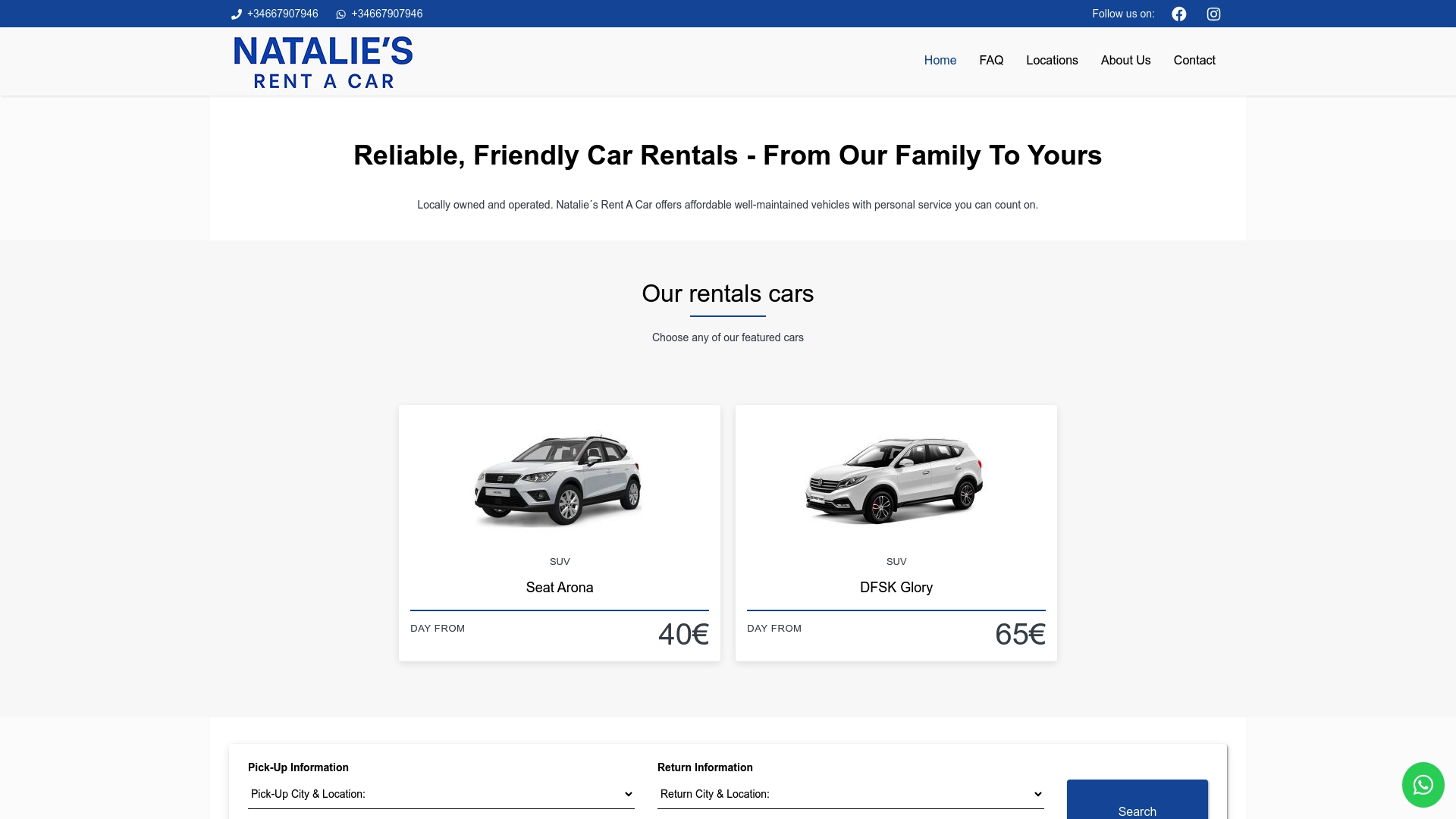
Experience hassle-free rentals with Natalies Renta Car by exploring our Offers – Natalies page where you can find transparent deals tailored for tourists who value professionalism and care. Need to learn more about what we provide? Visit our Uncategorized – NataliesRentaCar-Reliable Cars. Honest Prices category to see how we maintain high standards aligned with best rental practices. Ready for your next journey? Book now at https://nataliesrentacar.com and ensure your rental experience matches the smooth, respectful standards highlighted in the article.
Frequently Asked Questions
What should I check before renting a car?
Before renting a car, carefully read the rental agreement, inspect the vehicle for damages, document everything with time-stamped photos, and verify your insurance coverage.
What are the essential dos during vehicle pickup?
During pickup, make sure to inspect the vehicle thoroughly, document its condition, review the rental agreement carefully, verify insurance details, and don’t hesitate to ask questions if something is unclear.
How can I avoid extra charges when returning a rental car?
To avoid extra charges, return the vehicle in the same condition you received it, ensure the fuel tank is full if specified, remove all personal belongings, and ensure all documentation is signed and confirmed by the rental company.
What common mistakes should I avoid when renting a car?
Common mistakes include skipping the rental agreement review, ignoring mileage restrictions, failing to document the vehicle’s condition, and purchasing unnecessary supplemental insurance.