
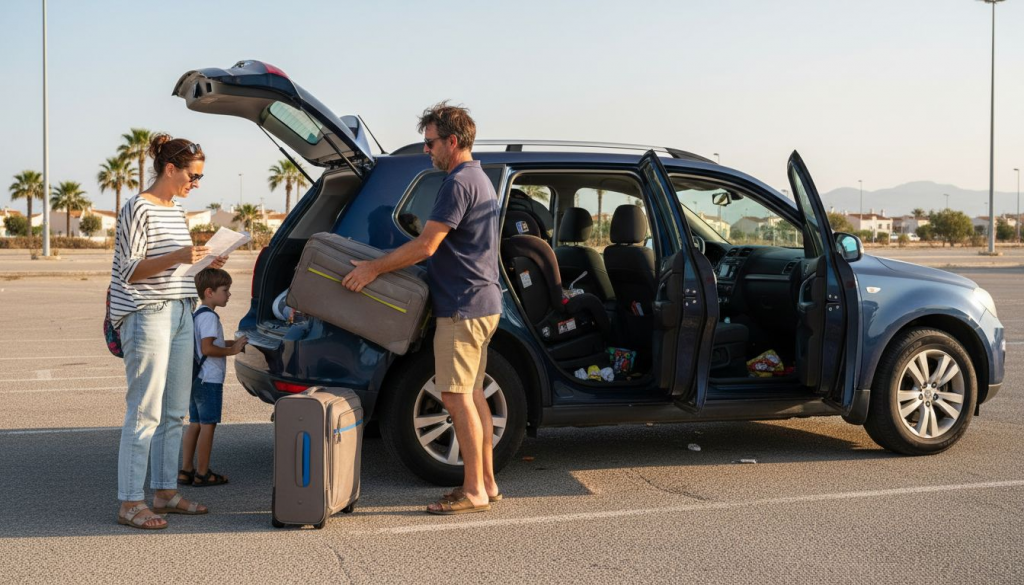
Discover a complete car rental checklist for tourists in Javea. Learn 7 must-know steps for a safe, family-friendly, and hassle-free rental experience.
Renting a car for your family vacation in Javea can feel overwhelming, especially when every decision impacts your safety, your wallet, and your peace of mind. From navigating age requirements to making sure car seats and insurance are in order, it’s easy to miss a detail that could lead to unexpected headaches or extra costs. You deserve more than confusion when all you want is a smooth start to your holiday.
This guide breaks down the most important steps for a worry-free rental experience with your family. You’ll discover clear, actionable advice that puts you in control at each stage, from the moment you book to the minute you return the keys. Get ready to learn what actually matters—so your only focus will be enjoying Javea with the people you love.
Table of Contents
- Review Rental Policies And Requirements
- Check Driver’s License And Insurance Options
- Inspect The Car For Damage Before Driving
- Understand Local Traffic Rules And Routes
- Ensure Family Safety Features Are Included
- Confirm Rental Payment And Deposit Terms
- Prepare A Return Checklist For Drop-Off
Quick Summary
| Takeaway | Explanation |
|---|---|
| 1. Review Rental Policies Thoroughly | Check age requirements, insurance, and fuel policies to prevent surprises during your trip. |
| 2. Verify Your Driver’s License and Insurance | Ensure your driver’s license is valid and understand what insurance coverage you have before pickup. |
| 3. Inspect the Car for Damage | Document any existing damage before driving to avoid being charged for it later. |
| 4. Understand Local Traffic Rules | Familiarize yourself with Spanish driving laws to avoid costly fines and ensure safety while driving. |
| 5. Prepare for Vehicle Return Carefully | Follow a checklist for returning the rental to prevent charges for damage or missing items. |
1. Review Rental Policies and Requirements
Before you book your family car rental in Javea, understanding the rental company’s specific policies is your first step toward a smooth vacation. Policies vary significantly between companies, and what works at one rental agency might not apply at another.
Rental policies cover several important areas that directly affect your experience and costs. Age requirements, insurance coverage, damage liability, and fuel policies are the main components you need to review carefully.
Why does this matter? Different rental companies enforce different age minimums, typically ranging from 18 to 25 years old. Some may charge additional fees for younger drivers. If you’re planning a family trip where multiple family members might drive, knowing these age-based restrictions upfront prevents last-minute surprises.
Insurance and damage coverage is where families often face unexpected costs. You need to understand what coverage comes standard with your rental and what you’ll need to purchase separately. Family-friendly policies should accommodate your family’s specific transportation needs and ensure safe, affordable travel options.
Here’s what you should check:
- Age requirements for all potential drivers in your group
- Standard insurance coverage included in the base rental rate
- Damage waiver and deductible amounts
- Fuel options (prepay versus return full)
- Mileage limits or unlimited mileage policies
- Cancellation and modification policies
- Fees for additional drivers or equipment (car seats, GPS)
- Late return penalties
Understanding rental car contract details helps you identify which costs are fixed and which are negotiable. Some family-focused rental companies offer package deals that bundle insurance, equipment, and flexibility into one transparent price.
When reviewing policies, ask yourself: Which drivers in my family will operate the vehicle? Do I already have insurance coverage through my credit card or personal policy? How long is our rental period, and what happens if we need to return it early?
Comparing policies before booking saves you from unexpected fees during your vacation and ensures your family gets the coverage level that matches your comfort and budget.
Pro tip: Request a detailed written copy of all policies from your rental company before paying, and confirm that everything verbal was included in the written agreement you receive.
2. Check Driver’s License and Insurance Options
Your driver’s license and insurance coverage are the two documents that will be scrutinized most carefully when you arrive to pick up your rental car in Javea. Getting these right prevents delays, unexpected costs, and potential legal issues during your family vacation.
Start by verifying that your driver’s license is valid and won’t expire during your rental period. Most rental companies require licenses to remain valid for the entire duration of your trip. If you’re an international visitor, you may need an International Driving Permit (IDP) in addition to your home country license, depending on Spanish regulations and your rental company’s requirements.
You should verify driver’s license requirements with both your rental company and local Spanish authorities before your trip. This is especially important if you’re traveling from outside Europe, as different regions have different acceptance standards.
Insurance coverage falls into two categories: what you already have and what you need to purchase. Your personal auto insurance policy might extend to rental cars, or your credit card might offer rental coverage. However, gaps in coverage can leave you liable for thousands of euros in damage costs.
Here’s what you need to understand about insurance options:
- Personal auto policy coverage for rentals in Spain
- Credit card rental car protection and what it actually covers
- Damage waiver (reduction of your liability for vehicle damage)
- Third-party liability coverage for injury or property damage to others
- Theft protection and comprehensive coverage options
- Rental company’s mandatory coverage versus optional upgrades
Before booking, contact your insurance provider and ask directly about coverage outside your home country. Request written confirmation of what’s included. Then research your proof of insurance documentation requirements so you know exactly what to bring.
When you arrive at the rental counter, bring your valid license, proof of insurance documentation, and your credit card. Having everything prepared prevents confusion and keeps the process moving.
Your driver’s license and insurance documentation are non-negotiable items that determine whether you can legally drive and whether you’re protected from unexpected costs.
Pro tip: Take photos of both sides of your driver’s license and insurance card before your trip, and email them to yourself as a backup in case you misplace the originals while traveling.
3. Inspect the Car for Damage Before Driving
The moment you receive your rental car is your chance to protect yourself from being charged for damage you didn’t cause. A thorough inspection at pickup is the single most important step families can take to avoid costly disputes later.
Rental companies photograph vehicles, but those photos may not capture every dent, scratch, or existing damage. Your job is to document the car’s actual condition before you drive it anywhere. This creates a clear record that protects you if damage disputes arise when you return the vehicle.
Start your inspection in broad daylight or under good lighting. Walk around the entire car systematically, checking every angle and surface. Don’t rush through this. Spend 10 to 15 minutes examining the vehicle thoroughly.
Here’s what you should inspect:
- Exterior paint for chips, scratches, dents, and dings
- Windows and mirrors for cracks or damage
- Tires for tread depth, bulges, or punctures
- Lights and wipers for functionality
- Interior upholstery and carpeting for stains or tears
- Dashboard for cracks or damage
- Headlights, taillights, and brake lights
- Door handles and locks
- Windshield for chips or cracks
- Floor mats and trunk condition
Documentation is your defense. Take clear photos or videos from multiple angles of every part of the car, including the odometer and fuel gauge. Capturing clear evidence protects you from being wrongly charged for pre-existing damage that you didn’t cause.
Before you leave the rental counter, point out any damage you found to the rental agent. Ask them to note it on your contract or damage report. Get their initials confirming they acknowledged the existing damage. This written documentation is invaluable if a dispute arises later.
You can also dispute unfair damage charges after the fact, but prevention is far easier than fighting a claim. Having photos and written acknowledgment of pre-existing damage puts you in a strong position.
A 15-minute inspection at pickup prevents hours of frustration disputing charges after your vacation ends.
Pro tip: Use your phone’s video feature to record a walk-around tour of the car while narrating any damage you see, then email the video to yourself immediately as timestamped proof.
4. Understand Local Traffic Rules and Routes
Driving in Spain is different from driving in your home country, and understanding these differences before you pick up your rental car keeps your family safe and helps you avoid traffic violations. Spanish traffic rules, road signs, and driving culture have their own patterns you need to learn.
Spain drives on the right side of the road, which may be familiar if you’re from many countries but different if you’re from the United Kingdom or other left-driving nations. Speed limits are posted in kilometers per hour, not miles per hour, so you’ll need to adjust your mental reference point when you see a sign reading 90 km/h.
Spanish traffic laws are strictly enforced, and violations result in fines that rental companies may pass to you or deduct from your security deposit. Common violations include speeding, improper lane changes, failing to use headlights, and parking violations. Understanding local driving rules and safety before your trip prevents costly mistakes.
Key Spanish traffic rules for your family:
- Speed limits are typically 50 km/h in cities, 90 km/h on regional roads, and 120 km/h on highways
- Headlights must be on at all times, even during daylight hours on some roads
- Seatbelts are mandatory for all passengers
- Child seats are required for children under 3 years old and recommended up to age 12
- Mobile phone use while driving is prohibited
- Parking is strictly regulated with fines for violations
- Roundabouts have specific right-of-way rules differing from other countries
- Parking on sidewalks or in no-parking zones results in immediate fines
Before you drive, familiarize yourself with fundamental traffic rules and signage so you can recognize road signs and understand what they mean. Spanish road signs use symbols and colors that may differ from your home country. Red and white signs warn of hazards, blue signs indicate mandatory rules, and yellow signs provide temporary information.
Plan your routes in advance using GPS or mapping applications. Know major highways and avoid driving in Javea’s old town center, where narrow streets make navigation difficult for unfamiliar drivers. Download offline maps in case your phone loses signal.
Learning Spanish traffic rules and planning routes in advance transforms your family vacation from stressful to enjoyable and keeps everyone safe on the road.
Pro tip: Download a Spanish traffic rules app or guidebook to your phone before your trip, and review it the evening before you start driving to refresh your memory on key differences from home.
5. Ensure Family Safety Features are Included
Your children’s safety in the rental car depends on having the right safety features in place before you drive anywhere. Family-focused rental companies understand this and work to provide appropriate safety equipment, but you need to verify everything is actually available and correctly installed.
The most critical safety feature for families traveling with young children is a proper car seat. Spanish law requires child seats for children under 3 years old and recommends them through age 12. If you’re traveling with small children, ordering a car seat from the rental company is non-negotiable.
When you reserve your vehicle, specifically request a car seat appropriate for your child’s age and weight. Clarify whether the rental company charges a daily fee for this service. Some family-oriented companies include car seats at no extra cost, while others charge 10 to 15 euros per day. At pickup, inspect the car seat to ensure it’s clean, in good condition, and not recalled.
Understanding proper car seat usage and selection based on your child’s age and size is essential for maximum protection during your rental period. Incorrect installation or using the wrong seat type significantly reduces safety benefits.
Family safety features to verify:
- Car seat availability and condition
- Proper installation of car seat with working seatbelts
- Functional seatbelts for all passengers
- Working child safety locks on rear doors
- Airbag status and whether airbags can be disabled if needed
- Air conditioning for climate control during hot Spanish summers
- Functional mirrors for visibility
- Reliable brakes and steering
Beyond car seats, learn about child vehicle safety hazards you should avoid during your rental period. Never leave children unattended in the car, even briefly. Spanish summers are hot, and vehicles heat up quickly, creating dangerous conditions.
Test all safety features before leaving the rental lot. Have your children buckle in and practice the safety procedures. Show older children where the emergency brake and door locks are located so they understand how to stay safe.
Proper car seats and functioning safety features are not optional luxuries for family travel, they are absolute necessities that protect your most precious cargo.
Pro tip: If you’re uncomfortable with the car seat installation, ask the rental agent to install it for you and verify it’s secure by tugging firmly at the base before you drive away.
6. Confirm Rental Payment and Deposit Terms
Understanding exactly what you’re paying for and what happens to your deposit protects your wallet and prevents billing surprises after your vacation ends. Rental payment and deposit terms vary significantly between companies, and hidden fees can add hundreds of euros to your final bill.
When you book your rental, you’ll typically need to provide a security deposit held on your credit card. This deposit covers potential damage, fuel charges, or traffic violations incurred during your rental period. The amount varies but often ranges from 200 to 500 euros depending on the vehicle size and rental company policies.
It’s crucial to understand the difference between what you’re paying upfront and what you’re authorizing. Your credit card is charged for the rental amount, but the deposit is simply held as authorization, not charged immediately. However, if damage occurs or fuel is missing, that deposit can be applied to cover costs.
Confirm these payment details before you sign anything:
- Daily rental rate and total rental cost
- Security deposit amount and authorization terms
- Insurance costs and what coverage is included
- Additional driver fees if applicable
- Equipment rental fees (car seats, GPS, toll devices)
- Fuel policy options and prepayment terms
- Mileage limits or unlimited mileage charges
- Late return penalties and grace periods
- Damage liability and deductible amounts
- Cancellation and modification fees
Ask the rental agent to explain every line item on your agreement. Don’t assume anything is standard. Rental agreements should specify payment terms and deposit procedures clearly so you understand your financial obligations.
Request a printed copy of your agreement before leaving the rental counter. Review it carefully and ask questions about anything unclear. If the agent verbally mentions a fee, have them note it in writing on your contract. Verbal agreements mean nothing if disputes arise later.
Understand the fuel policy particularly well. Some companies require prepayment for a full tank, while others charge per liter for fuel consumed. Prepaying often costs more but eliminates surprise charges at return time. Others let you return the vehicle with any fuel level, charging only for what you used.
Clear payment and deposit terms prevent financial surprises and give you confidence that you understand your total costs before driving away.
Pro tip: Take a photo of your entire rental agreement with your phone before leaving the counter, and email it to yourself as a backup document in case disputes arise after your trip.
7. Prepare a Return Checklist for Drop-Off
The way you return your rental car is just as important as how you picked it up. A thorough return process prevents disputes over damage charges, fuel billing, and unexpected fees that could appear on your credit card weeks after your vacation ends.
Start preparing for return the day before you drop off the vehicle. Give yourself time to complete a final inspection and address any issues before arriving at the rental office. Rushing through return creates opportunities for misunderstandings that cost you money.
Begin by removing all personal belongings from the car. Check under seats, in the trunk, the glove compartment, cup holders, and door pockets. Families with children often leave behind toys, snacks, or items that fall during the trip. The rental company may charge cleaning or retrieval fees if items are left behind.
Here’s your return day checklist:
- Remove all personal items and belongings
- Check fuel level and refuel if necessary per your agreement
- Inspect exterior for new damage and take photos
- Clean up interior trash and spills
- Return any rental equipment like GPS devices or car seats
- Verify odometer reading matches mileage allowance
- Ensure all windows and doors close properly
- Check that nothing was broken or damaged during your rental
- Arrive with time to spare before your return appointment
- Have your rental agreement and keys ready
When you arrive at the rental office, allow the agent to thoroughly inspect the vehicle condition with you present. Point out any new damage you discovered and ensure the agent notes it. If the agent mentions damage you didn’t cause, dispute it immediately with evidence from your pickup photos.
Request a final receipt showing the mileage, fuel level, and any charges applied. Verify that your security deposit is being released or that only legitimate charges are being deducted. Don’t leave until you understand every charge on your final bill.
A systematic return process protects you from phantom charges and ensures your deposit returns to your account without complications.
Pro tip: Take timestamped photos or video of the clean, undamaged car at the rental office before handing over the keys, showing the odometer and fuel gauge to document its condition at return.
Below is a comprehensive table summarizing the key guidelines and considerations for renting a family car in Javea based on the provided article.
| Aspect | Details | Importance |
|---|---|---|
| Rental Policies | Review age requirements, insurance coverage, damage liability, and fuel policies. | Prevents unexpected fees and ensures suitability for family needs. |
| Driver’s License and Insurance | Confirm your driver’s license validity and required insurance documentation. | Avoids legal issues and ensures compliance with regulations. |
| Vehicle Inspection | Check the car for pre-existing damage and document it thoroughly before driving. | Protects against being held responsible for damage you didn’t cause. |
| Local Traffic Rules | Learn Spanish traffic laws, signs, and driving habits. | Promotes compliance and enhances safety during the trip. |
| Family Safety Features | Ensure the rental car is equipped with the required safety features, including car seats for children. | Safeguards your family’s well-being throughout the journey. |
| Payment and Deposit Terms | Clarify payment structure, security deposits, and optional fees. | Prevents misunderstandings and unexpected financial obligations. |
| Return Procedure | Follow a checklist for returning the car, including removing belongings and confirming the vehicle’s condition with the rental agent. | Ensures a smooth return process and prevents disputes over final charges. |
Simplify Your Family Car Rental Experience with Trustworthy Support
Planning a smooth family car rental in Javea means tackling challenges like understanding rental policies, securing the right insurance, inspecting vehicles carefully, and ensuring all safety features are in place. These steps can feel overwhelming when you want to focus on making unforgettable family memories. That is why choosing a dependable, family owned rent a car company makes a real difference. At Natalies Rent A Car, we specialize in transparent policies, reliable vehicles, and family-focused service designed to relieve your stress.
Explore our helpful resources in the Uncategorized – NataliesRentaCar-Reliable Cars. Honest Prices and don’t miss exclusive deals in our Offers – Natalies to get the best value for your family rental. Visit https://nataliesrentacar.com today to secure your worry-free car rental. Take the first step now to enjoy your family vacation with confidence and peace of mind.
Frequently Asked Questions
What should I look for in rental car policies for my family trip?
Before booking, review the rental company’s policies on age requirements, insurance coverage, and fuel options. Confirm the details, such as age restrictions for drivers and cancellation fees, to avoid unexpected costs during your trip.
How can I ensure my driver’s license is accepted for the rental?
Verify that your driver’s license is valid for the entire duration of your rental period. If you are from outside the United States, you may also need an International Driving Permit, so check the requirements beforehand.
What key features should I inspect in the rental car at pickup?
Inspect the rental car for any existing damage, including exterior dents, upholstery condition, and functionality of lights and brakes. Take clear photos of any damage you find before driving away, to avoid being charged for it later.
How do I prepare for returning the rental car?
Create a checklist for your return, including removing personal belongings and checking the fuel level. Make sure to allow time for a thorough inspection with the rental agent to document any issues and ensure you receive your full deposit back.
What safety features should I confirm for my family’s rental car?
Ensure the rental car has proper child safety seats for young passengers and functioning seat belts for all occupants. Verify that child locks are functional and check the overall condition of safety features before you drive away.